How to Treat a Bee Sting
Date
July 21, 2017
Credits
Date
July 21, 2017
Credits
Medical providers featured in this article

In Brief
What's the best way to get the stinger out after a bee sting? Is the stinger even in there? How do I know if I'm allergic to bee stings? How do I make it stop hurting?
Ask any 10 people how to treat a bee or wasp sting and you'll probably get 10 different answers. It seems every family has a "cure" that's been passed down through generations and works every time.
So how do you know what really works? We asked our doctors to help us sort fact from legend.
How Do I Know If I'm Allergic to Bee Stings?
For those who have never been stung before, this is often the first question. The bump and redness at the site of the sting is inflammation usually caused by a local allergic reaction.
A systemic reaction, or anaphylaxis, is when people experience dizziness, faintness, or swelling of their airway that can lead to an asthma-like, respiratory response to the venom. They may also get hives at locations other than the sting site or have a precipitous drop in blood pressure that causes them to pass out. These more serious allergic reactions call for use of an EpiPen, followed by immediate medical attention.
For those who know they're allergic, Richard Harris, MD, an allergist and immunologist at Cedars-Sinai Guerin Children's, recommends carrying the epinephrine pen dual pack. "There are several generics to EpiPen, and there are coupons online to cover the copays. But always carry two. Sometimes you need a second one in 15 to 20 minutes."
Bee and wasp stings are very painful, but they're not, for most people, dangerous or life threatening.
And if you're severely allergic, see an allergist for testing, as venom shot treatment courses are up to 90% protective.
{{providers}}
{{cta-block}}
I'm Not Allergic to Bee Stings, But It Still Hurts. Now What?
Stay Calm
"A key thing to know is that the incidence of serious reactions is exceedingly low," said Sam Torbati, MD, chair of the Cedars-Sinai Department of Emergency Medicine. "Bee and wasp stings are very painful, but they're not, for most people, dangerous or life threatening."
Remove the Stinger
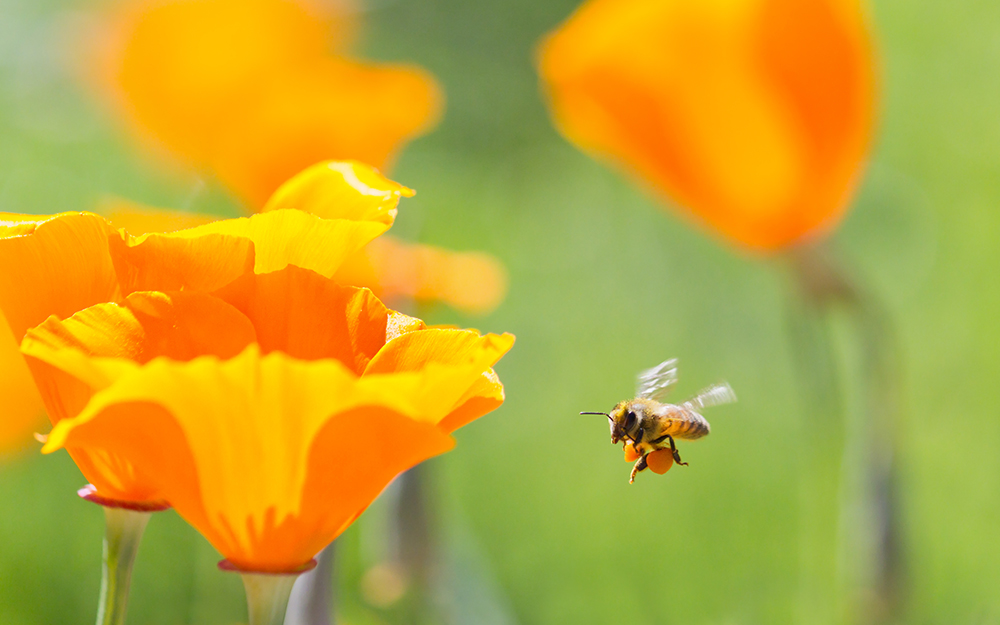
Honeybees do leave their stingers inside us. Wasps, hornets, and yellow jackets remain intact after they sting. So if a honeybee gets you, remove that stinger as quickly as possible.
"Don't try to find the perfect tweezers," said Torbati, who is the Gordon/Levin Chair in Emergency Medicine in honor of Joel Geiderman. "Use your fingers or the edge of a credit card. Flick the stinger out sideways. Remove it fast to reduce further injection of the venom into the skin. The more venom in your body, the more the body will react to it."
Apply Ice to the Sting
Ice is very effective at reducing pain and inflammation. It's one of the best home remedies during the first couple days of treating the sting. While some people swear by toothpaste or mud, ice is the most reliable item around the house for sting symptoms.
Additional Remedies for Discomfort After a Bee Sting
Over-the-counter antihistamine creams and products such as calamine lotion can be helpful. "Anti-itch creams that have a combination of antihistamine and topical steroid are terrific because the topical anesthetic numbs the skin and helps with pain," Torbati said.
If you have ongoing redness and swelling over a large area of skin, oral antihistamines are useful because you can get more antihistamine effect in your system.
Watch for Infection
Though infections of the sting site are rare, keep an eye out for progressive symptoms. If redness and swelling expand over several days and are accompanied by a fever, you likely have a bacterial infection and will need some form of antibiotic.
Skip the Sting
Many stings can be avoided by giving the little buggers some space and keeping your distance. Be wary around flowers and remind children to do the same. If you see bees or wasps, don't swat at them—move away calmly.
Wearing muted colors, choosing unscented lotions and cosmetics, and covering food left outdoors may also help keep you out of harm's way.